

Damp Proofing in Bristol
Bristol’s older housing stock, wet climate, and mix of period and modern properties all contribute to how often damp appears, and why treating it properly protects the whole building fabric.
Bristol Driveways & Roofing: Understanding Why Damp Keeps Coming Back
If you are dealing with recurring damp in a Bristol property, you are far from alone. Damp proofing is one of the most requested services we carry out, particularly across the older streets of the city where solid brick walls and ageing roofs were never built with modern damp resistance in mind. Alongside our roofing services, damp proofing forms a core part of what we do for homeowners and landlords across Bristol.
Understanding why damp keeps returning to certain properties starts with looking at the building itself, its age, its construction, and how it has been altered over the years. Each of these factors changes how moisture moves through a wall, a roof, or a floor.
The Age of Bristol’s Housing Stock
A large proportion of homes across Bristol were built well over a century ago, particularly in areas with rows of Victorian and Georgian terraces. These properties were typically constructed with solid brick walls rather than the cavity walls used in modern housing, which means there is no built-in air gap to stop moisture reaching the inside face of the wall.
Many of these older properties also relied on lime mortar and breathable materials that allowed moisture to evaporate naturally. Where these have since been replaced with modern cement-based render or non-breathable paint, the wall can no longer manage moisture the way it was originally designed to, which often leads to damp appearing in places it never used to.
Bristol’s Climate and Rainfall Patterns
Bristol sees a fairly high level of rainfall across the year, and properties exposed to driving rain from the south-west are particularly prone to penetrating damp. Where render, pointing, or brickwork has started to degrade, this rainfall finds a way in far more easily than it would on a well-maintained wall.
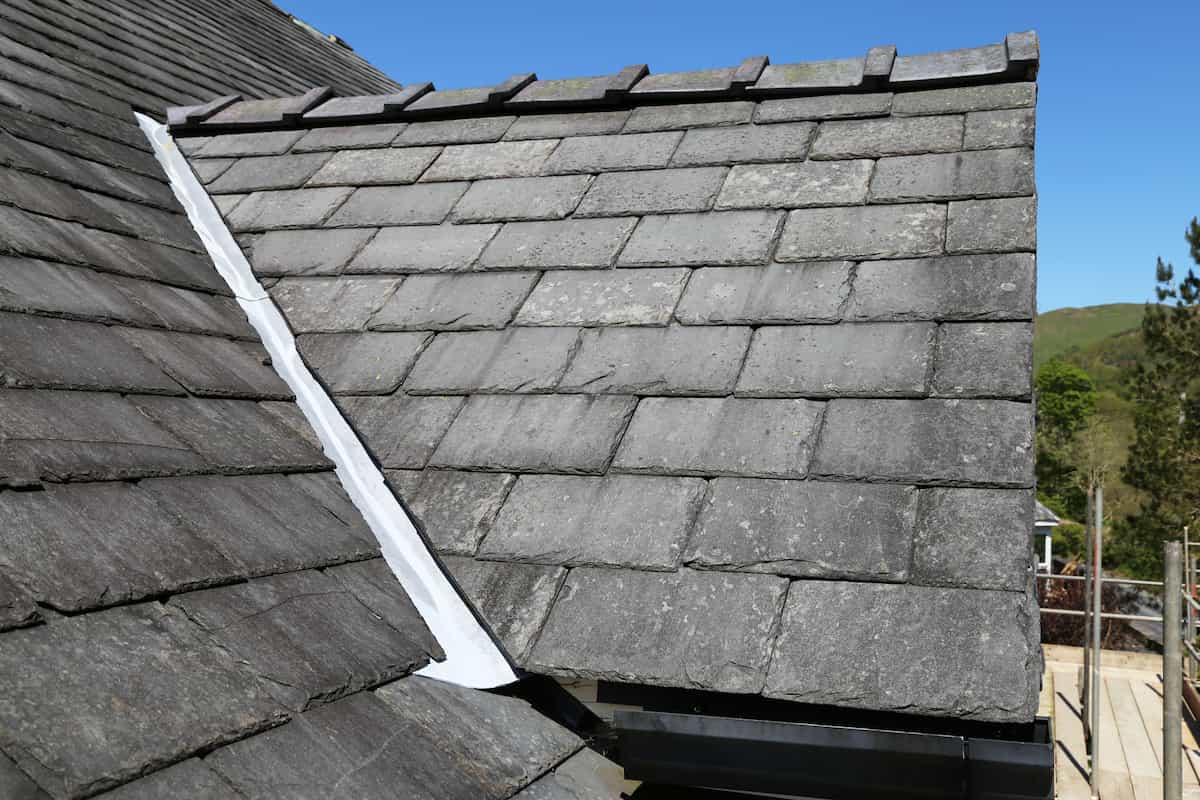
Roofs take a similar amount of punishment. A slipped tile, a failed section of flashing, or a blocked gutter can all let water into a property gradually, often without any obvious sign until damp patches or staining appear on a ceiling or upper wall some time later. This is where our roofing services and damp proofing work overlap most often.
Rising Damp, Penetrating Damp, and Condensation
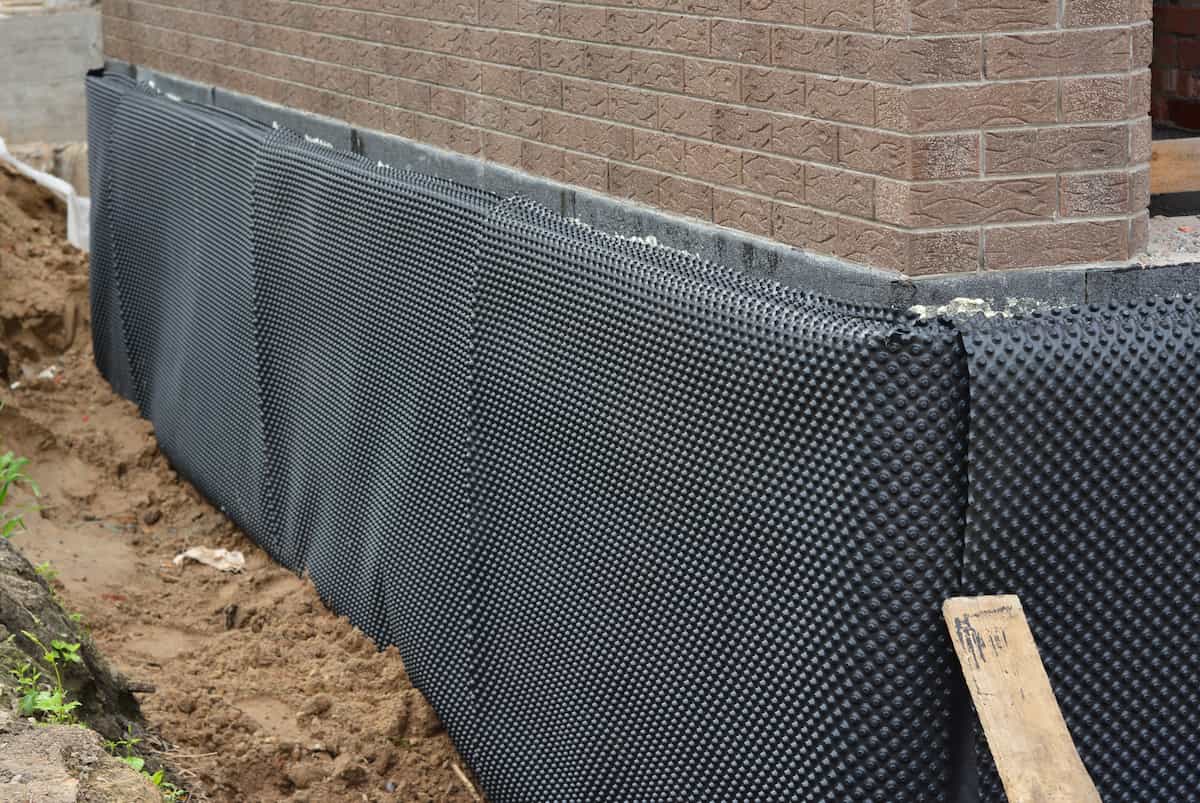
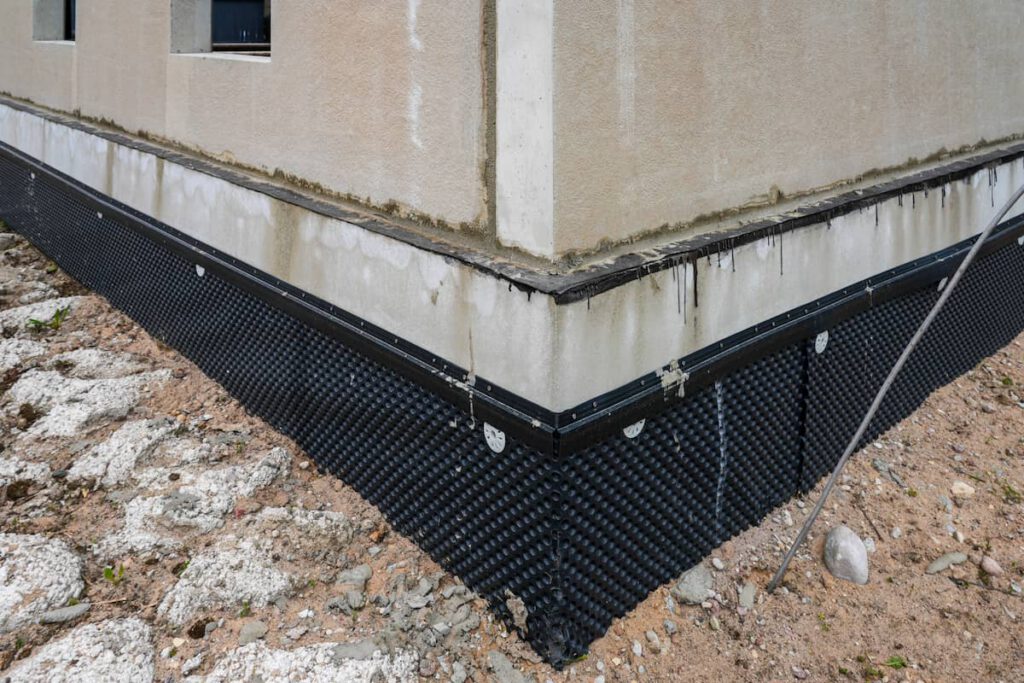
Not all damp has the same cause, which is why an accurate diagnosis matters before any treatment begins. Rising damp travels upward from the ground through a wall, usually because a damp proof course has failed or was never fitted. Penetrating damp, by contrast, enters from an external source such as a roof leak, cracked render, or a badly pointed wall.
Condensation is a third, increasingly common cause, particularly in properties that have been insulated or draught-proofed without proper ventilation in place. Moisture from cooking, bathing, and everyday living has nowhere to escape, so it settles on cold surfaces such as external walls, window reveals, and ceilings.
How Renovation Work Can Introduce New Damp Issues
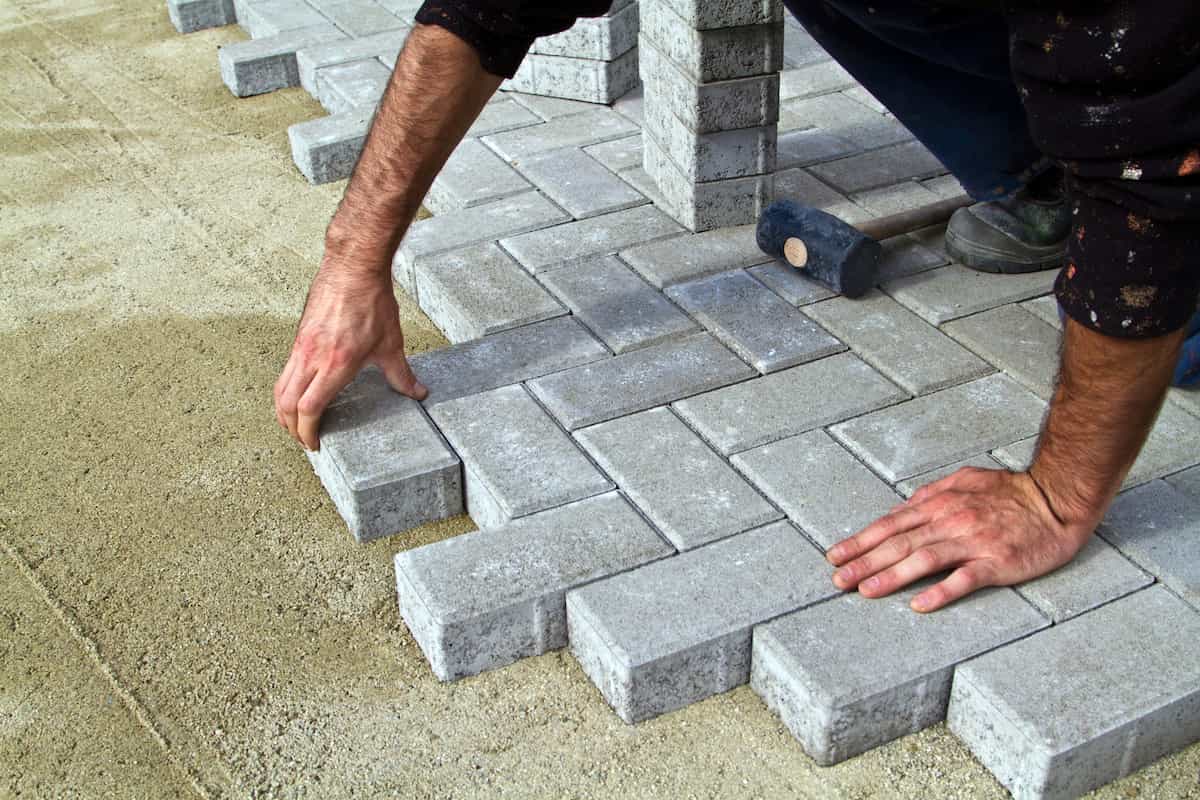
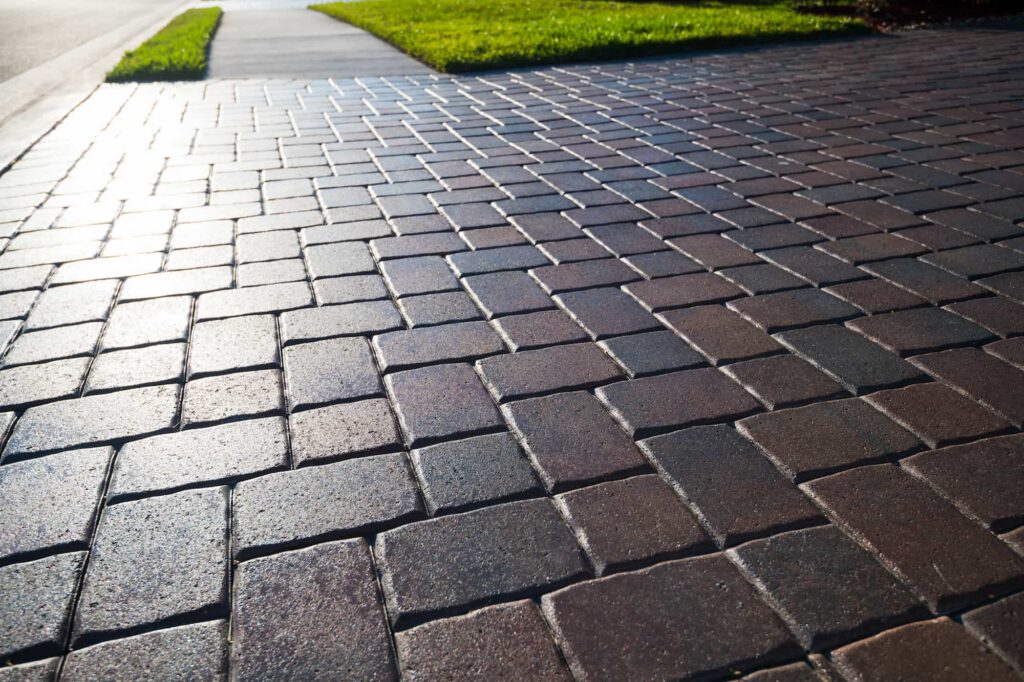
Renovation and modernisation, while usually beneficial, can sometimes create conditions for damp that didn’t exist before. Fitting double glazing or sealing up old air bricks reduces natural ventilation through a property, which can trap moisture that would previously have escaped. Similarly, raising external ground levels during landscaping or driveway work can bridge an existing damp proof course, letting moisture back into the wall above it.
This is one of the reasons we consider drainage and ground levels as part of any driveway or paving project, since work carried out without this in mind can unintentionally contribute to a damp problem inside the property.
Roofing and Guttering as a Common Source of Damp
A significant number of the damp cases we investigate in Bristol properties trace back to the roof rather than the walls. Ageing roofing membranes, damaged flashing around chimneys, and guttering that overflows during heavy rain all allow water into the building, sometimes without visible warning signs for months.
Because roofing services and damp proofing are so closely connected, we assess both together whenever damp is reported. Fixing the internal symptoms without addressing a roof leak or blocked gutter rarely solves the problem for long, since the source of the moisture is left untouched.
Book Today
If damp keeps returning to your property, get in touch with our team about damp proofing in Bristol. We combine damp proofing with roofing services where needed, so the cause is addressed alongside the symptoms. Call 07539 153508 or 01173 224988 to arrange a survey.